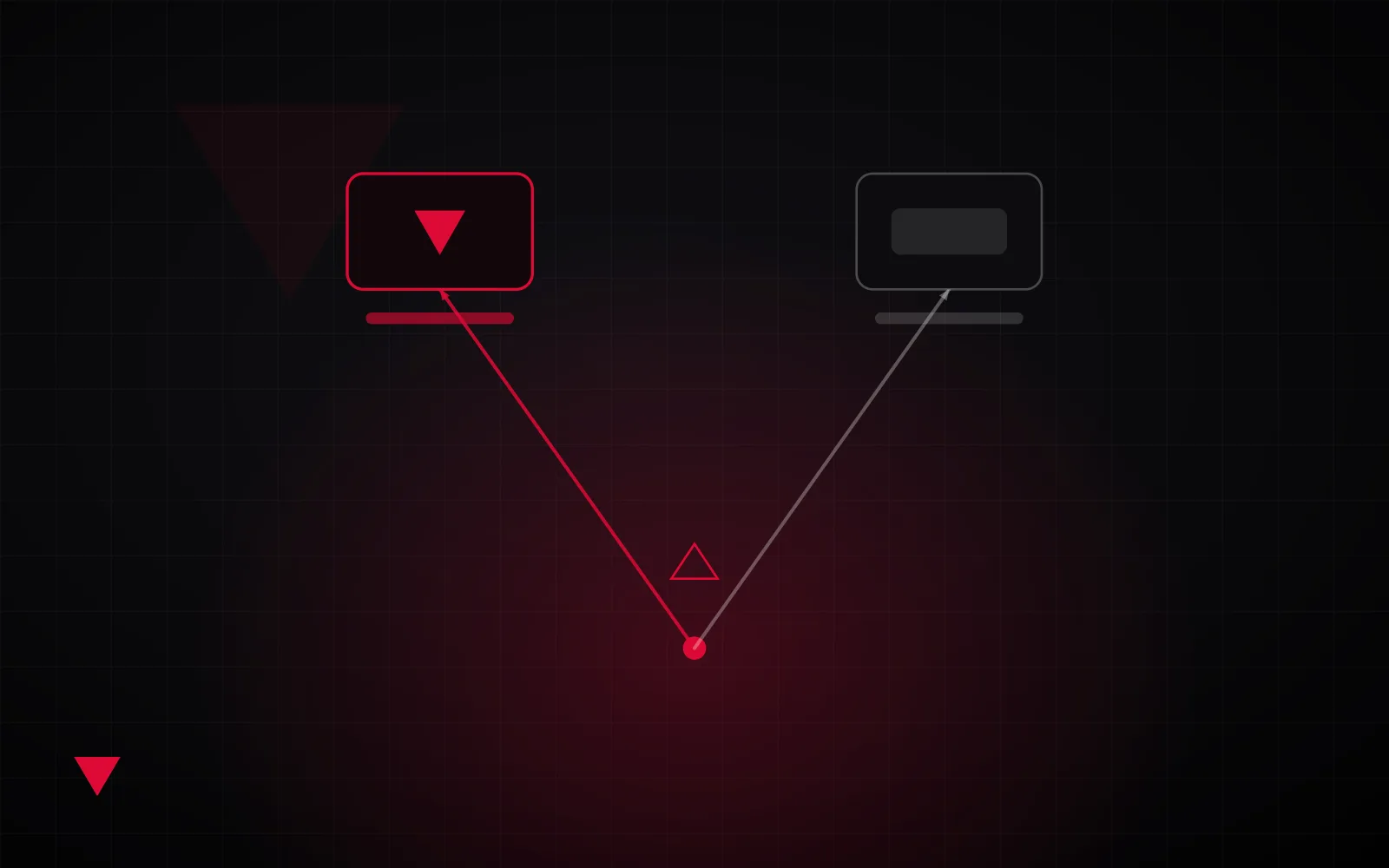
Every software decision eventually comes down to a fork in the road: buy something that exists, or build something that fits. Buy too eagerly and you bend your business around a tool's limits. Build too eagerly and you sink months into something you could have licensed. The skill isn't picking a side — it's knowing which question the situation is actually asking.
When off-the-shelf wins
For common, well-solved problems, buying is almost always right. Email, accounting, payroll, standard CRM — thousands of companies need the same thing, so a mature product will beat anything you build, at a fraction of the cost. If a category is crowded with good options and the problem isn't unique to you, buy it and move on. Your advantage isn't there.
When building wins
Custom software earns its cost when the process is your advantage. If the way you operate is different from competitors — and that difference is why customers choose you — forcing it into a generic tool erases the edge. Building makes sense when:
- The workflow is core to how you compete, not a commodity function.
- Off-the-shelf tools force expensive workarounds or manual glue.
- You need systems to talk to each other in ways no vendor supports.
The hidden cost of "just buy it"
The sticker price of a SaaS tool is rarely the real cost. Add integration work, per-seat pricing as you grow, workarounds for missing features, and the tax of adapting your process to someone else's assumptions. For a core workflow, those costs compound quietly until "cheap" isn't cheap anymore.
A simple rule of thumb
Buy your commodities, build your differentiators. If the software supports how you're the same as everyone else, buy it. If it supports how you're different — and that difference matters — that's where custom pays for itself.
Weighing a build-vs-buy decision? Explore our Custom Software services or read: Choosing the Right Tech Stack.